Introduction
Outside of the classroom learning is increasingly where it’s at in today’s educational world. This method creates an experiential learning experience that students can reflect on their education, and the environment in which they learn. This article explores the benefits of learning outside, and provides tips on how to incorporate it into teaching.
The Value of Outdoor Exploration
There are various advantages to exploring beyond the classroom walls. It provokes curiosity, and ideas, to encourages students to THINK critically and problem solve. Engagement with nature provides the pupil with an alternative perspective on all aspects of learning. This type of learning by doing can be more memorable and effective than traditional approaches.
Outdoor discovery is also good for your body. Walking, looking at nature, playing in the outdoors can get us fitter and make us feel better. These events can bring focused attention and lower stress, serving as a positive learning situation.
Designing Meaningful Experiences
Further, to make such outdoor learning experiences effective, teachers should design activities that meet curriculum aims. Clear goals keep outdoor explorations in line with academics. Teachers might begin by incorporating straightforward activities, such as nature walks, within their current lessons.
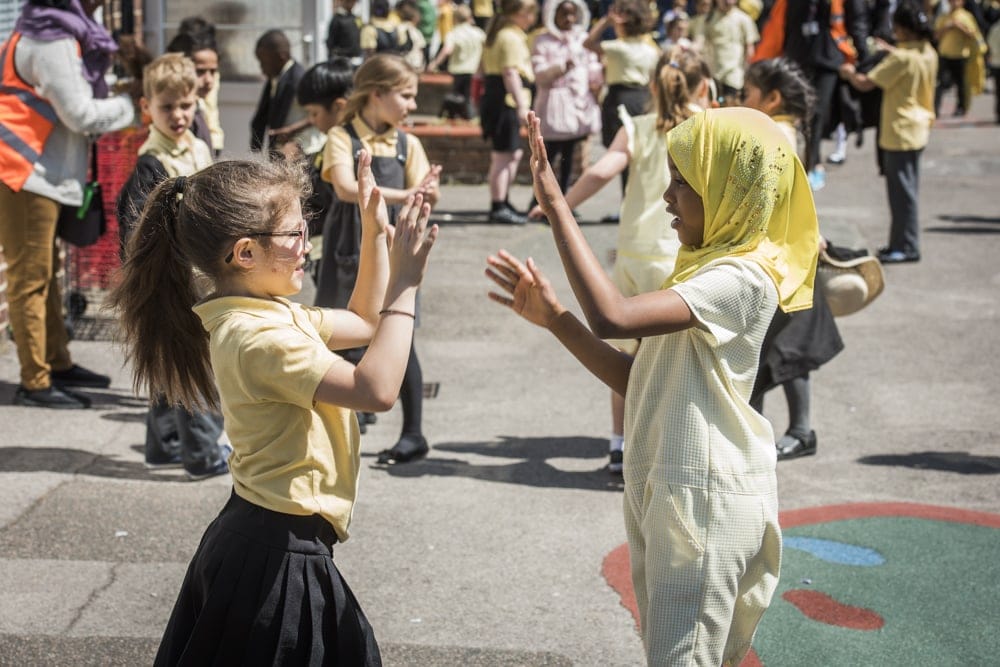
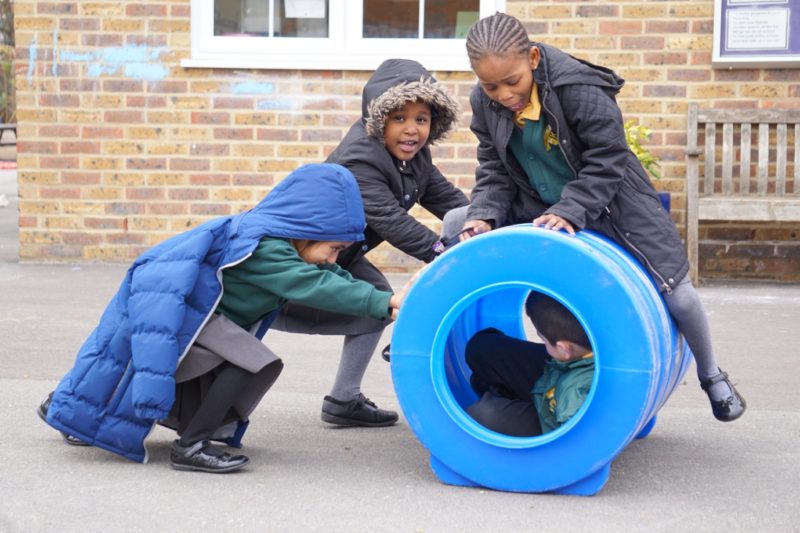
Selecting suitable locations is crucial. There are many different places to explore: playgrounds, neighborhood parks and nature trails. Each of them presents its own learning possibilities, from learning about plant life to observing wildlife or learning about geographical features.
Encouraging Student Engagement
Outdoor learning is based on active engagement. Promoting students as the leaders of their own inquiries promotes ownership and accountability. Teachers can support this by making available tools, such as a journal for recording observations or a camera to take pictures of discoveries.
Designing an investigative space encourages a questioning attitude. When students are encouraged to question and search for answers, learning never runs dry. By giving them the choice to learn about what they like, teachers make it possible for learners to investigate subjects that may affect them in their lived experience.
Integrating Outdoor Activities Across Subjects
Outdoor learning can be so easily incorporated into so many different areas. Science courses might contain experiencing experiments in the natural environment, which will lead to insights about ecosystems and environmental science. Map reading and walks can be used to provide these geography lessons.
Art projects can be nature-inspired, requiring students to make art out of natural materials. These practice are more than the reinforcement of the traditional curricula; it is an expression of creativity and self-developed art.
Building Community Connections
Interact with community to better outdoor learning opportunities. Working with individuals that are local experts (eg an environmentalist or even a historian) adds depth and perspective to lessons. Districts can work with community organizations to gain resources and support.
Being connected to their community gives members a sense of ownership and responsibility for the local environment. Pupils realize the necessity to work together and actively participate in citizens’ rights, as members of the community.
Addressing Challenges
It may be difficult to conduct outdoor exploration due to resources or time. But there are ways around these barriers through inventive thinking. Creative use of available outdoor school space, in conjunction with regular, scheduled outdoor teaching sessions can be achieved.
They can partner with their colleagues to learn creative ideas and best practices as they begin exploration of the outdoors in a meaningful way. Developing a group of like-minded teachers can offer inspiration and new thoughts.
Supporting Educators
It is important to help teachers ease into this change. Offering professional development opportunities would contribute to improving the capacity of teachers to successfully incorporate outdoor education. The teacher-led workshops and training sessions give educators the knowledge and confidence to conduct outdoor activities.
Creating a culture of collaboration between educators leads to new methods and shared successes.” When educators work together they create strong, flexible and sustainable learning environments which are beneficial to everyone concerned.
Conclusion
Mission: Explore Outside the Classroom turns Education on its head. By advocating teaching and learning outdoors educators expose students to a richer educational experience that nurtures academic, social and emotional development. With enough hours, community support and careful planning, the great outdoors becomes part of lessons learned. Outdoor Learning as students explore the natural environment they acquire skills and knowledge enabling them to prepare for their future in an ecologically secure world, cultivating a love of lifelong learning.