Introduction
Art education is very important in helping students to be creative and expressive. A way to enhance this with art is through outdoor learning. The outdoor art gallery is also in keeping with (NSW) curriculum requirements and the students are amongst few who have been able to enjoy it. This guide highlights the process and positive impacts of implementing an outdoor art gallery at school.
The Value of Art in Education
Art lessons teach both creativity and critical thinking, as well as emotional expressiveness. It allows students to practice examining and visually communicating ideas. In producing art, students acquire problem-solving skills, respect for alternative views and values, and understanding of art-making as a complex process. Weaving art into outdoor experiences enhances the above attributes, and provides a learning environment in constant motion.
Outdoor art and the NSW Curriculum
By incorporating an outdoor art gallery and using it across the curriculum, learning becomes both more engaging and cross-curricular.
Visual Arts: Students may make art related to nature using various materials and techniques. This tactile learning experience and initiates their comprehension of the fine art principles/elements.
Science: Art can teach science, exploring, for example, what goes into an ecosystem or a weather pattern. Students engage in the art of observation and interpretation of natural phenomena.
Geography: Taking art outside and creating provides opportunities to cover geography. They can also show landscapes, natural features, and the human relationship with the environment, building their knowledge of geography.
How to Build an Outdoor Art Gallery
Planning and Design
First find the right outdoor space for your gallery. Think about nearby locations that are accessible, secure and with a natural background. Engage students in the planning to create ownership and creativity. Decide the gallery plan and how artworks will be shown off and preserved by being under cover.
Theme Selection
Select a theme that interests the curriculum and students. “Beauty of Nature,” “Rich Heritage”, or “Preserve the Environment” can be themes that motivates you to bring in creativity, aesthetics and a message. Let students experiment with alternate interpretations of the theme in their art.
Creating Artworks
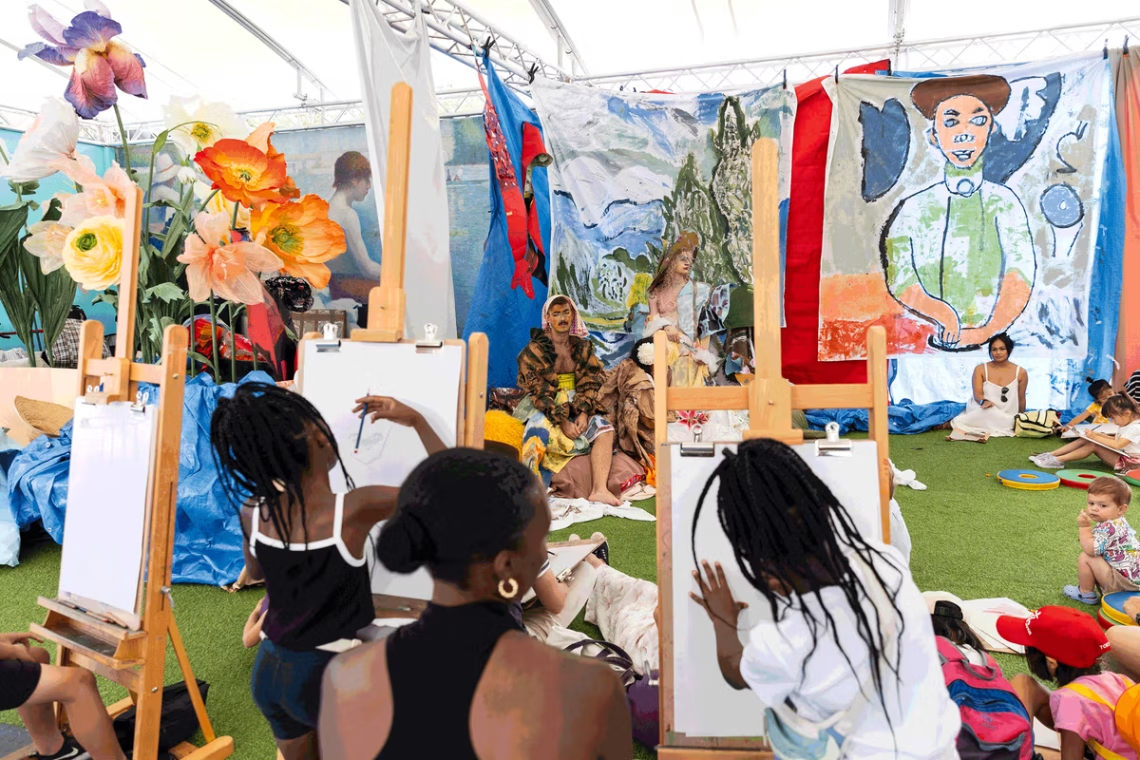
Photo students can produce art works in a range of mediums including painting, sculpture and mixed media work. Encourage them to go with the flow of their environment, using elements found in nature such as leaves, stones or twigs. Conduct workshops and help in training of new methods and techniques, as well as enhancement of artistic abilities.
Incorporating Technology
Use technology to improve the outdoor museum experience. Students can make digital art on tablets, or photograph their work to create an online gallery. QR codes can be displayed near the art and would access videos or descriptions made by students.
Installation and Curation
Lead students in the installation path by training how to curate and present. Talk about the best way to install artworks for dramatic effect and how they should be covered with protective material from the worst of Chicago’s weather. At this stage consider asking for a collaborative and team effort.
Opening Event
Hold a students’ exhibition, favourite photo show or gallery private view. Encourage the gallery to be viewed by parents, teachers, and community members. Students can serve as docents, explaining their work and how they came to create it. This event gives us a sense of achievement and pride.
Advantages of Outdoor Art Gallery
Community Involvement: An outdoor gallery promotes community involvement and student creativity. It builds bridges between the school and community.
Deeper Learning: Making an art gallery is project-based learning. Students gain planning, teamwork and communication skills.
Ecological Respect: Working with the land encourages students to be respectful of their surroundings. This understanding can lead to environmentally friendly and eco-conscious habits.
Creative Expression: An outdoor gallery where students share their voice and message. It fosters individualism and self-assurance is their art.
Conclusion
Creating an outdoor gallery is a great way to embed art and the environment in the NSW curriculum. This serves to not only improve students’ fine arts techniques, but also facilitate cross curricular learning and serve the community. Outdoor gallery: Promote creativity and environmental awareness for an enriching, inspirational experience that will spark a lifelong love of art and the natural world. Empowering students to communicate and express themselves through art in natural surroundings allows them the opportunity to create original ways of learning and growing.