Introduction
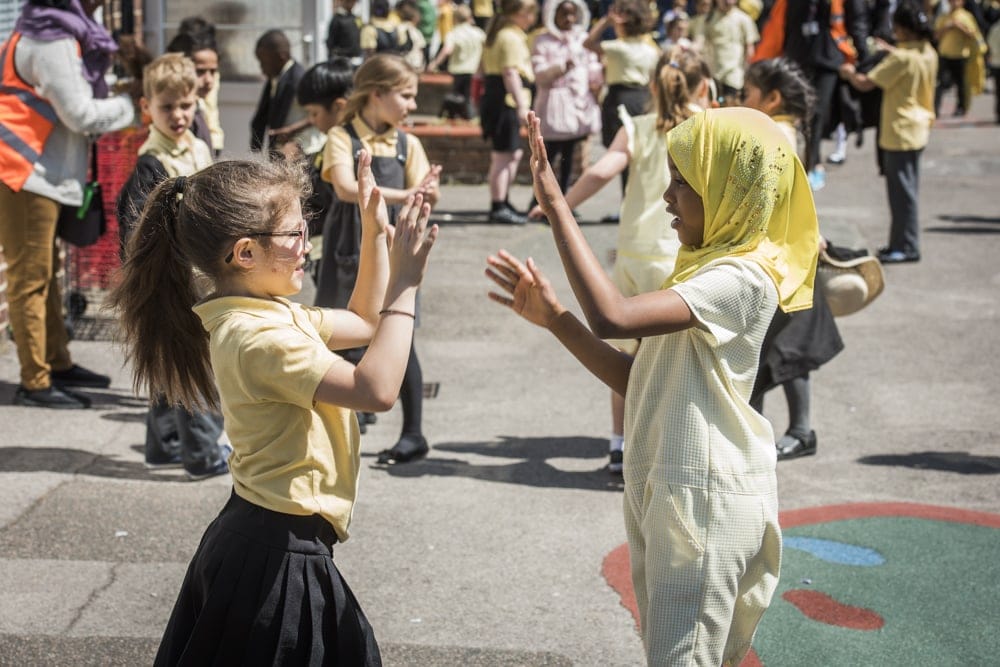
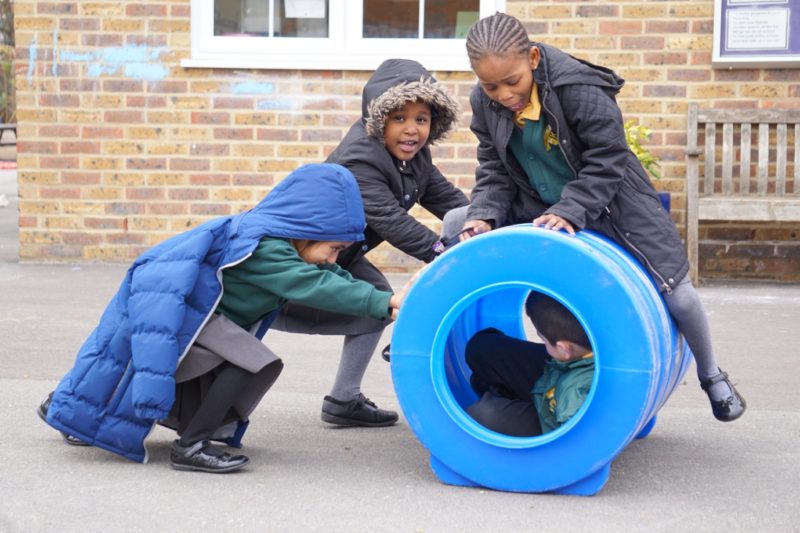
With outdoor learning, education becomes less traditional and more exploration and discovery based. It fosters a spirit of curiosity and creativity and can teach children a variety of skills. This post discusses actionable strategies for how to get started with learning outside and the beneficial results we can expect in students.
Understanding the Benefits
Outdoor learning promotes holistic development. Experiential learning exercise and active participation promote thinking ability and physical health. Students tend to focus better and reduce their stress learning outside. It also encourages socialization as students participate in group activities and work through problems as a team.
Planning and Preparation
Outdoor learning effectively takes some careful planning. Teachers should establish clear learning objectives and match activities to the curriculum. Local issues and resources are critical. Teachers can begin in a small way, by incorporating the outdoors into existing lessons that take place indoors, and gradually increase as they get more comfortable.
Safety is a priority. Risk assessment procedures and clear policy guidelines help to provide a safe learning environment. Teachers should also be prepared for the vagaries of weather and plan fallback options if the unexpected happens.
Choosing the Right Location
Having the right outdoor venue is critical. From school grounds to nearby parks and nature reserves, a variety of habitats provide opportunities for investigation. Every site offers different education experiences, such as learning about plant life in a garden or wildlife in a forest.
The engagement of students in site selection can spark interest and sense of ownership. This engagement fosters a sense of ownership and accountability to the learning process.
Integrating Outdoor Activities
Outdoor learning can be an easy fit for the curriculum. School subjects, such as science, geography and art have clear links with outdoor investigation. Science class might involve examining ecosystems or running experiments in the natural environment. The geography can be reading maps and learning the local environment.
Art Projects Inspiration Creative nature-based projects can help creativity to flower through art, like making sculptures from natural materials and drawing landscapes. These things help to provide a bedrock for learning while allowing the kids some space to be creative.
Encouraging Exploration and Inquiry
Active exploration and inquiry are at its heart. learners to question and search for answer creates a love of learning. Teachers can initiate investigations by offering up tools to explore, such as magnifying glasses or journals to take notes in.
Developing opportunities for students to lead their explorations can nurture confidence and independence. Educational authorities aim at providing sense of ownership for learners: Let them choose what they are interested in.
Building Community Connections
You can bring the local community into your outdoor classroom more effectively. Work with local experts, like park rangers or environmentalists – they can teach you a lot and enhance your classes. Schools could also work with local organizations for resources and help.
Inclusion in the community does two things-aside from broaden learning, it inculcates a connection with/responsibility for the local environment. Through this, students gain a deeper appreciation for working together and being involved in community issues.
Overcoming Challenges
There may be barriers to practicing outdoor learning, e.g., lack of resources, time and weather. But there are workarounds to these problems. Being creative in the usage of existing school grounds and on a timetable of regular outdoor sessions can go a long way to realizing this.
Teachers can also team up with other teachers to exchange ideas and approaches, thus reaching a broader bracket of students and maximizing the effects of outdoor education. Creating a community of supportive teachers can be motivational and inspirational.
Supporting Educators
It is crucial to help teachers through this shift. Offering professional development and resources to develop educators who can deliver outdoor learning effectively. Training sessions and workshops can give the skills and confidence to teachers for conducting outdoor activities.
This can lead to the development of innovative practices and shared successes in a culture that promotes teachers working together. Working in tandem, teachers can establish a robust learning atmosphere that serves all the participants.
Conclusion
Taking on outdoor learning creates new avenues of educational expansion. By accepting nature into the fold, teachers offer kids an enriching experience that improves academia and social-emotional competence. When it’s well planned, when the community is engaged, and you have a network to support you, outdoor learning is indeed education added. By just being outside, students learn and develop skills that will teach them in the future – nurturing a lifelong love for learning.