Introduction
Play is integral to child development. But the sense of touch is a very powerful tool that is often missed and has a lot to do with cognitive development as well as social and emotional growth. It confers many benefits when implemented during the school day that helps a child’s overall well-being. This post discusses why play is essential for learning and how to incorporate it in your classroom.
Enhancing Social Skills
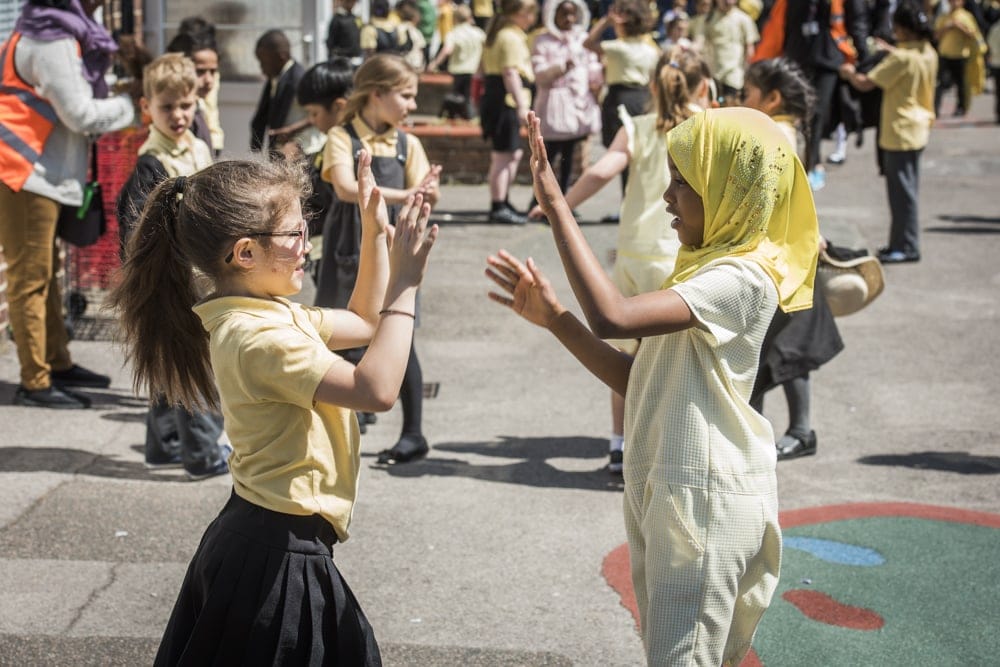
Playtime is when little ones get to be side by side with other kids – interacting and developing those social skills they’ll need in the future. Children learn how to communicate, share and co-operate during play. These exchanges teach them how to work out differences and to see another person’s point of view. These are invaluable skills which they will take with them into the future, and help them to become empathic and co-operative adults.
Boosting Cognitive Development
Playing engages a young child’s brain and helps with creative and critical thinking. And things like puzzles and blocks are a test of their problem-solving skills. The phenomenal experiences improve one’s memory, attention span, and reasoning ability. As kids design and construct, they gain a more comprehensive understanding of the world around them.
Promoting Physical Health
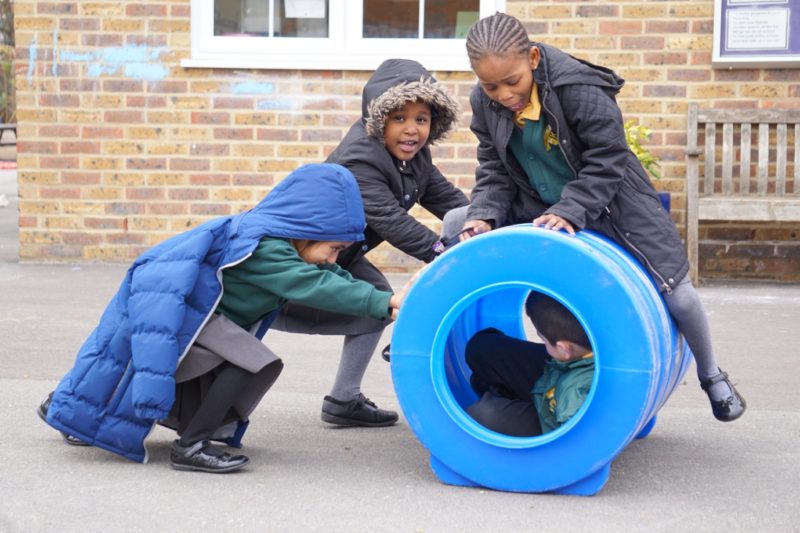
Being active on daily basis is really important as part of a healthy lifestyle. Playing makes them move around and stay active which leads to quiet an healthy kids! Running, jumping as well as other types of play make heart and bones strong. Plus, they produce endorphins—feel-good and stress-busting hormones.
Encouraging Emotional Growth
Games give little ones the freedom to communicate and therefore develop emotionally. It offers a safe vehicle to try on different roles, situations and experiences that can help them come to grips with feelings and emotions. This is an important expression for self confidence and resiliency. Playtime also teaches them how to deal with frustration and disappointment.
Integrating Play into the Curriculum
Schools can effectively include it in the curriculum to derive maximum advantage of play. Download activity Teachers can develop activities that are consistent with academic objectives and offer opportunity for creativity and exploration. For example, video games can be used to make learning interesting and fun in maths lessons. Scientific experiments can be playful discoveries that trigger curiosity.
Creating a Balanced Schedule
They must have a balanced schedule with time enough for play. Schools may also set aside time for free play in which children are permitted to decide what to do. This method ensures that play is made a priority without overshadowing academic responsibilities. Play breaks can recharge students and enhance focus and productivity in the classroom.
Involving the Community
Parents and community can add new dimension to the play for children. Schools can host play events and workshops that promote family engagement in play. Local community facilities such as local parks and Recreation centers can offer extra space in which kids can explore and learn.
Addressing Challenges
Adopting more play in school may have obstacles, like resources and time. Where it arises, however, creative leadership design approaches can help. Schools can be creative about using existing spaces and promoting outdoor play. Open scheduling and working with other educational entities can also lead to information about best practices in this area.
Supporting Teachers
Play-based learning is supported by teachers as facilitators. With training and resources, they can develop their capacity to effectively ‘teach through play’. Professional development opportunities that provide teachers with knowledge and skills to establish a playful and rewarding learning context.
Conclusion
Playtime isn’t just good — it is vital to the overall development of the child and should be included in every school day. Playing prepares kids for life’s challenges by promoting social, cognitive, physical and emotional development. Schools, teachers and communities can collaborate to help keep play as a integral part of schooling. For the children of the future will grow and flourish armed with the knowledge and confidence that only play can deliver.