Introduction
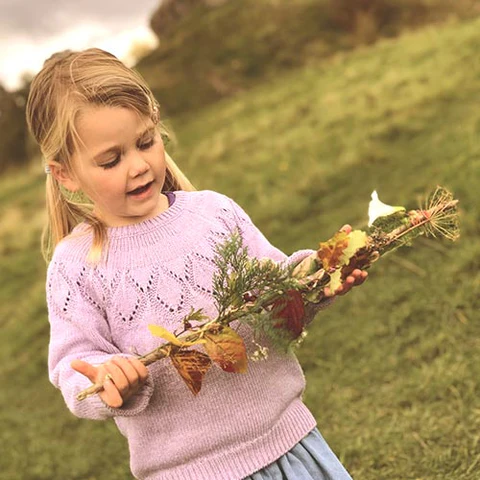
Journey sticks are a wonderful hands-on, interactive way for people (especially children) to engage with nature. This basic task of gathering materials from a walk then securing them onto a stick becomes a visible and palpable artefact of your visit. The sticks unlock the imagination and can help develop observation skills and Storytelling. This guide looks at these resources where they come from, what they offer and ways to use them in education.
Origins and Cultural Significance
The idea of journey sticks came from the Indigenous people who would use them to communicate things that happened on certain trips. Each object tethered to the stick served as a memory or story, rendering it an effective device for storytelling and cultural sharing. Journey sticks are still used to this day as a form of connecting with the environment and memories.
Creating a Journey Stick
Choosing a Stick
You can start off by choosing an appropriate stick not too heavy and one that is easy to hold in the hand. The stick offers the canvas for the journey, so encourage everyone to select a stick that feels important to them.
Exploring and Collecting
Collect their findings as they walk, things their eyes are drawn to. Leaves, feathers, flowers and tiny stones are favorites. Urge them to be still and listen, look closely, communicate with their senses.
Attaching Items
Tie things you find around the stick with string, yarn, or rubber bands. Place them in order of the story depicting their route. This method fosters creativity and individual expression.
Reflecting and Sharing
When the journey stick is finished, bring all of the participants together to tell their stories. Each item might represent a memory, feeling or observation from the walk. This feature of story telling develops communication skills and a sense of shared community.
Benefits of Journey Sticks
Observation: The game is useful to help train the skill of observation, teaching players to notice details that they might ordinarily miss. This increased sensitivity leads to a greater intimacy with nature.
Creativity and Expression: Making a journey stick is an opportunity for you to express yourself and be creative. Column partners select items they identify with and place them in a certain fashion.
Storytelling and Communication: Discussion of the journey stick stories encourages verbal communication skills and listening. It fosters empathy and understanding as members bond over shared experiences.
Environmental Awareness: Connecting with natural materials leads to environmental empathy. The activity is likely to lead you into discussions around ecology, conservation and sustainability.
Incorporating Journey Sticks into Education
Journey sticks are a flexible resource for teachers that is compatible with different curriculum themes.
Science: Investigate the local ecology and biodiversity with a journey stick. Have students look for various plant species, animal tracks or rock formations along the way.
Art: Use journey sticks in art, as students think about design, texture and color. Students can even pattern or theme their collections.
Literacy: Journey sticks can be used in creative writing or poetry. Students produce stories or poems inspired by their collections and experiences.
History and Culture: Explore how journey sticks are a part of culture and what they were used for in history. This can open up wider conversations about Indigenous culture and story-telling traditions.
Challenges and Considerations
Limitations Despite the many advantages you’d expect to enjoy traveling with a journey stick, some limitations exist.
Ecologically Friendly: Ask participants to only pick up fallen or locally common offerings so as not to disrupt the environment.
Safety: When walking, be sure to supervise collection and check for hazards if your walk is on rough terrain or unfamiliar areas.
Accessibility: Take into account participants need and make sure no one is left out, regardless of their location, mobility restrictions etc.
Conclusion
Use journey sticks as a creative tool for connecting with nature and one another. Encouraging observation, imagination and narrative these enhance learning experiences and develop environmental awareness. Using journey sticks as a learning tool fosters an overall sense of respect and appreciation for nature and supports core skills.
With this simple tool, a walk can become an epic adventure filled with discovery, reflection and conversation. Through working with journey sticks a lifelong relationship with nature can be established and a sense of belonging to it reinforced.