Introduction
Creative expression contributes to child development in several areas including emotional, intellectual and social aspects. Making Faces is an engaging unit that encourages students to investigate these topics through the world of art. Students learn to show emotions, recognize diversity and develop creative thinking by using a variety of materials to create faces. This guide to the implementation and educational use of “Making Faces” activities in schools is presented.
The Concept of Making Faces
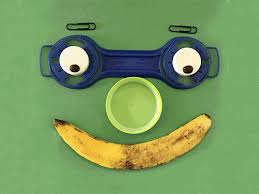
Making Faces demonstrates different techniques and mediums for making portrayals of faces. This project will allow students to investigate feelings, cultural differences, and art-form. It provides hands-on practice to learn facial expressions and what they tell us.
Implementing Making Faces Activities
Materials and Preparation
Collect a selection of materials like paper, fabric, clay, buttons and wool or natural elements such as leaves and twigs. Furnish tools, such as scissors, glue and markers. Arrange for these materials to be made available within the reach of students to be studied.
Introduction and Inspiration
Start by talking about how facial expressions are a way of communicating. Display examples of art that emphasize specific faces, such as portraiture or masks from various cultures. Have students think about what feelings and stories are told on a face.
Creating Faces
Let the students pick their stuff, and have them begin making faces. Help them try new textures, colors and shapes of food. They may choose to draw a realistic portrait, an abstract design or a fictional character. You steer, but let children be creative and experiment.
Exploring Emotions
Ask students to make faces that show different kinds of feelings: happy, sad, mad or surprised. Describe how the features of a face are altered with various feelings and how such emotions can be depicted artistically.
Cultural Diversity
Show students different forms of facial art from various cultures including African masks or Japanese Noh masks. Encourage them to make faces influenced by other cultures which also generates awareness for diversity and global art practices.
Sharing and Reflecting
Have a gallery walk for students to showcase their work. Ask them to share the narratives behind their faces and what types of emotions they wanted to express. This makes for better communication skills and confidence.
Benefits of Making Faces Activities
Free Expression: Children can express their imagination and creativity by making whatever they want with the material and technique. This fosters innovation and self-expression.
Emotions: Faces: Students learn to recognize and identify feelings in themselves and others by studying facial expressions. This develops empathy and social skills.
Cultural Appreciation: Discovering face painting from other cultures teaches children to respect diversity and be open minded.
Fine Motor Skills: Rolling and pushing dough strengthens the hand muscles and coordination.
Skills Communication: Sharing their work and the stories of what they have created builds both oral communication and listening skills.
Integrating Making Faces into the Curriculum
Making Faces can be applied to many subjects and add another layer of educational excitement.
Art: Learn art techniques, color theory and design. Students should experiment with a variety of media and styles.
Social Studies: Pair with presentations on cultural diversity and global art traditions. Why is face paint used to identify and express oneself in a culture?
Psychology: Study feelings and face responses with these experiments. What does how artists depict facial features for psychological depth and narrative?
Language Arts: Utilize the activity as a creative writing prompt. Have students write a story or poem based on their sculptures.
Challenges and Considerations
Though there are many great things about Making Faces, here’s what you need to know before taking the leap.
Inclusive: Make sure all students, including those who have disabilities, can participate. Modify as necessary for materials and construction.
Safety: Monitor use of tools and materials for safety, particularly with younger students.
Appreciation of Diversity: View cultural art as respectfully and sensitively. Counsel students to value and learn from various traditions without generalizing.
Conclusion
The cultivates both creative expression and emotional intelligence, while promoting cultural esteem for all young readers. Through reflection on this hands-on investigation, educators can support the development of important skills and greater empathy toward emotions and differences. This is a learning process that as well as artistry, teaches empathy and the importance of connecting deeply, facilitating better cross-cultural communication in future. Students can learn how an artist’s work tells stories, expresses feelings and builds shared understandings of people’s lives with Making Faces.