Introduction
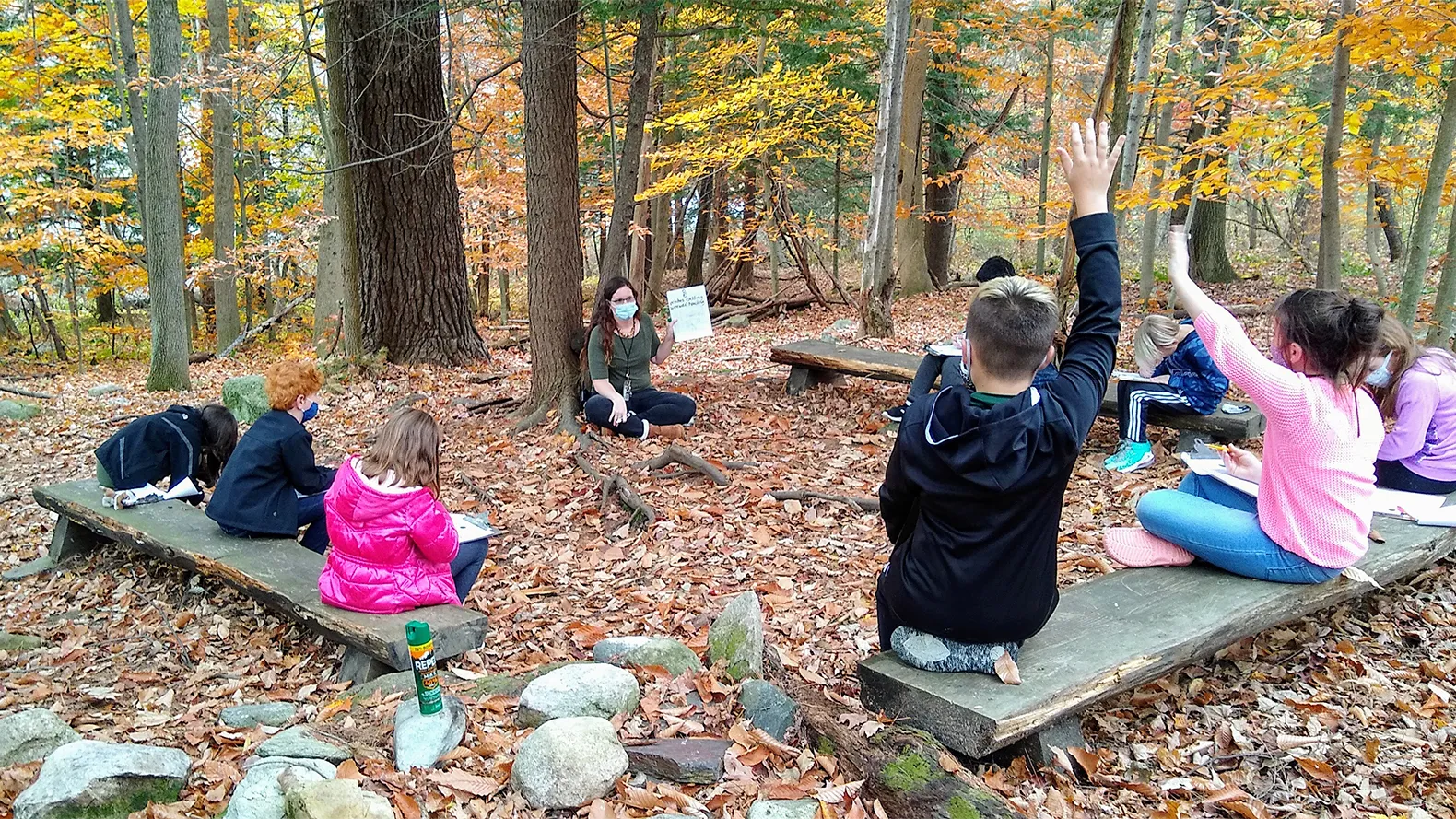
Nature play allows kids to explore, create and learn outside. It promotes creativity, physical health and mental fortitude. The Outdoor Classroom community has caught on to this shift however, offering a wide array of interesting activities. The list below offers five nature play ideas that seek to inform the learning of children.
Nature Scavenger Hunt
A scavenger hunt for nature is great way to inspire playing and observation. Make a list of natural items for kids to find (leaves, rocks, feathers). This promotes observational skills and team work/group interaction if completed in groups.
Children can record their discoveries in a journal, and write or draw about each object they collect. This habit promotes creativity and lets them learn more about the natural world. Accompanied by themes such as colors or textures, it adds an educational layer to the adventure.
Building with Natural Materials
Constructing with natural materials such as sticks, stones and leaves encourages problem solving skills as well as creativity. Kids can build solo or as a group to make forts, sculptures, or anything else they want!
This encourages teamwork as children come up with new ideas and work together on their projects. cate, then refined, as well as fine motor skills and spatial perception. Teachers can facilitate discussions about stability and design, connecting the activity to science and engineering ideas.
Outdoor Art Projects
Art imitates nature in more ways than one. Kids can use nature to make art, like leaf rubbings, painting/jawing on rocks, or writing in the sand. These activities promote self-expression and enable the child to creatively relate to what is around him or her.
Hosting their own little art gallery outside where the kids can hang up their work, lends an incredible sense of pride and accomplishment. It also gives them a chance to show their work to their peers and talk about art and nature.
Sensory Exploration
By nature playing children learn and become aware through the senses. Touching various textures, listening to sounds in nature and smelling flowers all help children gain a sense of their senses.
Teachers can create sensory stations with different natural objects for kids to investigate. Blindfolded nature walks can enhance an experience, teaching children to utilize their other senses in place of sight. This discovery encourages emotional growth, and will bring children closer to nature.
Planting and Gardening
It allows kids to get their hands dirty with biology and sustainabiilty. but also the plant’s life cycle and environmental care through planting seeds and growing a garden.
School or community gardens provide opportunities for ongoing learning. “They can see growth, experience change and even taste the fruits of their labor children are highly motivated by this,” Lasser said. It also encourages children to be responsible and patient, despite the fact that they have to wait for their plants to grow.
Benefits of Nature Play
There are many advantages to nature play that go way beyond just the activities itself. It supports physical activity which is beneficial for health and well-being. Kids also tend to have less stress and better focus when spending time in nature.
Team work during playtime helps develop social skills Children learn to correspond with one another in order to beat each other. Analytical thinking and problem solving are developed as the child learns to plan, organize information and carry out their ideas.
Supporting Educators and Parents
Educators and families are particularly important in fostering children’s nature play. By guiding them and offering them resources they can design the activities more efficiently. Adults can be trained in workshops and through classes to lead nature-based experiences.
Nurturing a sense of curiosity and exploration at home and in school, inspires a passion for learning. Through collaboration, teachers and families can design nurturing environments that contribute to children’s learning.
Conclusion
Exercise in the natural environment, based on Outdoor Classroom community and their learning is enormous. By bonding children with the natural world, essential knowledge and skills are fostered. These five suggestions are a good way to start finding the means to make the outside memorable. With the encouragement of educators and parents, nature play can be incorporated as a valuable aspect to children’s learning and form well rounded individuals who are ready for what the future holds.